August is back-to-school time, so I thought this would also be a nice moment to take a refresher course in taking fabulous pictures. Even if you just want to update that Facebook profile pic or simply look better in those weekend snapshots with the girls, here are a couple of secrets from Kimara Ahnert, a makeup artist in New York City: Read More


Get Rid of Age Spots
Saturday, August 29, 2009
Age spots are always an unwelcome sight. While they may be associated with old age, men and women in their twenties develop age spots as well. Once they make an appearance, the search for answers and treatment options begins. Read More
How To Thin Out Thick Hair
ForeverAlluring.com | Beauty StoreThick hair can be problematic both because certain hair styles don't look good with thicker hair and also because thick hair tends to "poof" out like clown hair. There are a number of opinions about what to do for the problem other than actual thinning out of individual hairs. This article identifies some options for this dilemma. Read More
The "Pistachio Principle" of Weight Loss
Friday, August 28, 2009
James Painter, PhD, RD, has come up with a new, non-dieting approach to weight loss that he calls the "Pistachio Principle." He says his experiments have shown that people can consume fewer calories without consciously restricting themselves, and yet finish a meal feeling as satisfied and full as does the average American who consumes more calories. Read More
3 Junk Foods That Can Save Your Life
Wednesday, August 26, 2009
Come again? Junk food can ... save us? This, gals, you've got to read! Read More
Doing The Dye!
Tuesday, August 25, 2009
Last night I attended a going away dinner for a friend, and for some reason the conversation turned to eyelashes. The girl across from me was a natural blonde and mentioned that her eyelashes are so light that she hates spending 15 min putting on mascara. Read More.
Fix Your Summer Skin
Saturday, August 22, 2009
Sure, that second (er, fifth, whatever) margarita out by the pool seemed like a good idea at the time, but now I've got a lovely sunburn to show for it.Have you been a little tough on your skin this summer too? If so, come fall you may have the discoloration, peeling skin or breakouts to show for it. Read More
10 Horrifying Foods People Eat
Friday, August 21, 2009
One of my favorite parts of traveling is sampling the local cuisine and finding out what all the fuss is about. Paella was a big part of my Spanish excursion, as were street crepes when I went to Paris. However, I felt okay about skipping black pudding when I went to the UK because, despite how popular some foods are in certain regions, their gore factor is undeniable. Just because these dishes are celebrated or steeped in tradition, it doesn’t make them any easier to stomach. Read More
20 Superfoods For Weight Loss
It's time for a new slim-down mantra: Eat more to weigh less. No joke! The right foods help you drop pounds by revving your calorie burn and curbing cravings. We consulted top experts for the best picks and asked leading chefs for easy, tasty ways to prepare them. Add these eats to your plate today and you'll be slimmer and healthier in no time! Read More
Why Weight Loss Challenges Fail
1. Bad Ways of Measuring Success: Weight is only one indicator of health. As in Heather's case, focusing on weight can be discouranging and disappointing. Many times, what shows up on the scale can be highly misleading. As a result, it is important to utilize several methods of assessing an individual's progress. Here are some to consider: Read More
How To Wear Beach Makeup
Thursday, August 20, 2009
A full face of makeup just looks wrong at the beach or by the pool. Any products you put on should be light and sheer—you want to look like a sunnier version of yourself.
· Protect your skin. Before you apply any makeup, slather on a generous coat of sunscreen. Give it at least 20 minutes to soak in—it needs to dry for full effectiveness and so that anything you put on top won't smear. When you need to reapply, try a powder sunblock..... Read MoreInstant Spray Shampoo
Most beauty products that have been around for multiple decades have, at some point, undergone an image overhaul. Consider Herbal Essences shampoo. The version that first hit the market in the 1960’s—a green bottle with the image of a long-haired woman surrounded by flowers designed to appeal to those nature-loving hippies—bears little resemblance to what’s on store shelves today. Frankly, I prefer the original incarnation. Which is why I was thrilled to discover, on the dusty bottom shelf of my local drugstore, Psssssst Instant Spray Shampoo, in an aerosol can that remains blissfully unchanged from its original 1970’s prototype. Read More
100 Of The Most Powerful Women
Wednesday, August 19, 2009
These women run countries, big companies, and influential nonprofits. Read More
5 Secrets Women Keep
ForeverAlluring.com | Beauty Store: "We all know the male mind is mysterious. But turns out we women have a whole lot of “he just won’t understand” secrets ourselves. What do you think? Any of these sound familiar?"
Numero Uno Breakfast Item: Coffee!
Tuesday, August 18, 2009
ForeverAlluring.com | Beauty Store: "New research shows the brew truly is a wonder: It can fight skin cancer, stave off Alzheimer's and diabetes, boost brainpower, keep your smile brighter and rev your metabolism. I'm a certified javaholic, so all this news makes me very happy. Still, I know that there are ways to maximize the benefits of the bean. Try the tips below to make your cup of joe a whole latte more healthy."
Are You Sun Smart?
ForeverAlluring.com | Beauty Store: "Being sun-smart is a lifelong vocation. The damage you do to your skin in your teens might not show up until you're in your late twenties or thirties, but by then it's too late to go back and undo it. No quick beauty tip is going to make a significant difference. The ignorance of our youth (in the form of unprotected sun exposure and periodic bouts with tanorexia) often results in dark spots and rough texture down the line, and although these symptoms can be treated, it can take time (or expensive and possibly painful dermatological procedures) to get skin back on track."
Quick Tips On Black Hair Care
Monday, August 17, 2009
All hair takes a certain amount of care and love to be healthy and beautiful. However, ethnic hair tends to be a bit more temperamental and requires additional steps. Taking the time to understand the differences between ethnic, or black, hair, and European hair textures is important for both hair stylists and consumers. Products and hair care techniques are not made equal, and the informed consumer is the happy consumer. Read More
How To Get A Great Wax
When you're paying someone to put hot wax on sensitive parts of your body, trust is obviously important. Don't be shy about asking lots of questions in advance. Read More
ForeverAlluring.com | Beauty Store
ForeverAlluring.com | Beauty Store: "Many people want to shrink the size of their pores. Pore size is largely a function of genetics, but as people age, they do tend to become larger. Large pores can detract from the smooth, youthful look that many people consider a sign of youth. There are several steps that you can take to make the pores look smaller and smoother"
Cancer Sniffing Dogs?
Sunday, August 16, 2009
The Pine Street Foundation, a cancer education and research center in San Anselmo, Calif., is hoping one day to train these dogs to sniff out, literally, early-stage ovarian cancer—a disease that kills two-thirds of the 22,000 women diagnosed with it each year, according to the American Cancer Society, because it is often caught only after it has spread beyond the ovaries. Read More
Easy Beauty Tips
ForeverAlluring.com: "1. To take off eye makeup (especially mascara that has run underneath the eyes- ick!), put basic body lotion on a Q-Tip and rub around eyes. It comes off like that! I usually use Nivea which you can get at any drugstore."
Foods That Give You Energy
Saturday, August 15, 2009
Peaches. They have large amounts of water and a laxative effect. Peaches also help eliminate the toxins. The diet with peaches where you eat 2 oz. of peach per day is also recommended for two or three days when you want to clean your system. Read More
Cintra Wilson Further Spreads Fashion's Snobbery
Friday, August 14, 2009
File under reason number 2,947 why we're sick of fashion people: In today's New York Times, style columnist Cintra Wilson (pictured, left) reviews the new Manhattan outpost of mega-chain J.C. Penney and, well, let's just say she does not find it to her liking. Read More
Foods To Eat That Burn Calories
ForeverAlluring.com: "Eggs, milk, low-fat cheese and cereals that have been vitamin-enriched are all good sources of vitamin B12. Some sources state that B12 increases the body's fat-burning ability. Every gram of fat equals 9 calories, so when you burn fat, you burn calories, too. Vitamin B12 is also known to fight fatigue and speed up the metabolism, which are benefits that can give a boost to any dieter."
5 Beauty Rules You Should Break
Wednesday, August 12, 2009
I’ve been breaking rules all my life. It started in my teens when I announced to my family that I wanted to do makeup for a living (gasp!), rather than being a teacher, a doctor or a lawyer. In the eighties and early nineties, I did neutral, bronzy makeup looks while everyone else was working with DayGlo-bright shades of makeup. Rather than being constrained by rules, I believe in doing what makes sense and having options. Here are five beauty rules you can and should break. Read More
All About Portion Control
We tell patients all the time to be careful with portion sizes as a tool for successful weight loss. For instance, the idea that "a 4 oz. serving of meat is about the size of a deck of cards" is common advice. Yet there's not a lot of actual research showing that portion control alone will help with weight loss. A group of researchers at the University of Calgary designed a study to test how well portion control might help you eat healthier. Read More
7 Diet Myths Exposed
Tuesday, August 11, 2009
Myth 1: Potatoes and bread are fattening. Actually: It's just the opposite. Starchy vegetables and bread (whole-grain bread, that is) are quality carbs needed to fuel every part of you, from your brain to your muscles. What gets you into trouble is how... Read More
Is Exercise Effective or Useless?
Monday, August 10, 2009
This week's Time magazine piqued our interest. The cover headline reads "The Myth About Exercise: Of course it's good for you, but it won't make you lose weight. Why it's what you eat that really counts." Of course, we wanted to know more about the reasons why exercise fuels hunger, not weight loss. Read More
How To Lose A Pound A Week
Saturday, August 8, 2009
Trying to eat healthy is hard enough in today's world--food options abound, yet there's little time to spend preparing smart meals--and slimming down can be even more challenging. Luckily, there are some smart strategies to make your weight loss efforts a little easier. Put two or more of them into practice today and you can save 500 calories instantly. Follow them all regularly and you'll shed inches in no time. Read More
Gatorade VS. Water
At 200 calories per bottle, Gatorade is promised to replace your carbohydrates and electrolytes lost during an intense workout—and it also tastes pretty good. When you're pushing hard during an event, is it better than water? Read More
5 Solutions To 5 Of Your Body & Skin Problems
It's easy to talk about the fun side of beauty -- the makeup trends, hot hairstyles and new products -- but what about the less-than-scintillating side of beauty? You know, stuff like bacne, calluses and flaky skin. They're not as enjoyable, but when you're dealing with one of these issues, you want all the help you can get, right? Read More
7 Steps To Boost Your Low Thyroid & Metabolism
Tuesday, August 4, 2009
Buy & Sell Women's Fashion, Beauty & Health Products at ForeverAlluring.com

- Mark Hyman, MD
Buy & Sell Women's Fashion, Beauty & Health Products at ForeverAlluring.com
Last week, I told you about low thyroid function and how it affects more than 30 million women and 15 million men.
So why are we seeing such an epidemic of thyroid problems?
Well, chronic thyroid problems can be caused by many factors ...
What Causes Hypothyroidism?
One of the most important factors that leads to hypothyroidism is exposure to environmental toxins such as pesticides, which act as hormone or endocrine disruptors and interfere with thyroid hormone metabolism and function.
In fact, one study found that as people lost weight they released pesticides from their fat tissue.
This then interfered with their thyroid function and caused hypothyroidism. The toxins created a slow metabolism and prevented them from losing more weight.
This study highlights the importance of overall detoxification. It is quite a significant finding that shows exactly how toxins interfere with thyroid function.
Heavy metals such as mercury can also affect thyroid function. I see many people with chronic hypothyroidism and other thyroid problems because mercury interferes with normal thyroid function.
The other big factor that interferes with thyroid function is chronic stress.
There is an intimate interaction between stress hormones and thyroid function. The more stress you are under, the worse your thyroid functions.
Any approach to correcting poor thyroid function must address the effects of chronic stress and provide support to the adrenal glands.
The next major factor that affects thyroid function is chronic inflammation. The biggest source of this chronic inflammation is gluten, the protein found in wheat, barely, rye, spelt, and oats.
Gluten is a very common allergen that affects about 10 to 20 percent of the population. This reaction occurs mostly because of our damaged guts, poor diet, and stress.
I also think eating so-called Frankenfoods, such as hybridized and genetically modified grains with very strange proteins, makes us sick.
Our bodies say, "What's this? Must be something foreign. I'd better create antibodies to this, fight it, and get rid of it."
This chronic inflammatory response interferes with thyroid function -- and contributes to the epidemic of inflammatory diseases in the developed world.
Lastly, nutritional deficiencies play a big role in thyroid dysfunction. These include deficiencies of iodine, vitamin D, omega-3 fats, selenium, zinc, vitamin A, and the B vitamins.
There are so many reasons for low thyroid function, yet I have seen lots of patients with this problem who were just ignored by their doctors.
For example, one young female patient of mine had more than 30 percent body fat and was unable to change her body, no matter how hard she worked. She ate perfectly, exercised with a trainer every day -- and her body still wouldn't budge.
She also had a slightly depressed mood and other vague symptoms.
So I treated her with a low dose of Armour Thyroid, which is a natural thyroid replacement.
What happened?
Well, she not only lost 20 pounds and improved her body composition, but her mood improved and all her other symptoms went away.
How did I know she had low thyroid function?
Once I have asked about symptoms, done a physical exam, and considered all the potential causes of thyroid problems, I do the right tests.
Most doctors just check something called the thyroid-stimulating hormone (TSH), which doesn't give a full picture of the thyroid. In fact, even the interpretation of this test is incorrect most of the time.
The newer guidelines of the American College of Endocrinology consider anybody with a TSH level over 3.0 as hypothyroid. Most doctors think that only anything over 5 or 10 is worth treating.
Unfortunately, this leaves millions suffering unnecessarily.
There are also other tests, including free T3 and free T4 and thyroid antibodies, which are essential.
I also look for associated problems such as gluten intolerance, food allergies, and heavy metals, as well as deficiencies of vitamin D, selenium, vitamin A, zinc, and omega-3 fats.
There are many things to consider in a careful approach to hypothyroidism.
It is one of the most common problems I see, and treating it properly makes one of the biggest differences in my patients' quality of life.
Unfortunately, by using the old guidelines and thinking, conventional medicine misses millions who suffer with hypothyroidism.
In fact, in one study, researchers tested everybody who walked through the gates of a county fair with conventional thyroid testing. They found that according to even conservative conventional standards, half of all the people who had hypothyroidism were undiagnosed, untreated, and suffering.
So what's the solution?
How You Can Overcome Hypothyroidism
I encourage you to take the following steps to rebalance your thyroid:
Once you have confirmed that a sluggish thyroid is contributing to your symptoms, the good news is that there are many, many, many things you can do to help correct thyroid problems.
I have developed a seven-step plan to address hypothyroidism:
I believe a comprehensive approach is needed to address chronic thyroid issues and to diagnose them. Unfortunately, most of the options for healing by conventional care are quite limited and only provide a partial solution. But by following my seven-step plan you can achieve lifelong vibrant health.
- Mark Hyman, MD
Buy & Sell Women's Fashion, Beauty & Health Products at ForeverAlluring.com
Weight Loss & Teens
Buy & Sell Women's Fashion, Beauty & Health Products at ForeverAlluring.com

- Debra McCord
Buy & Sell Women's Fashion, Beauty & Health Products at ForeverAlluring.com
Teen Wars: Salads Versus Pizza
Many teens are overweight and really want to be thin. Sometimes, their idea of how to take off the pounds is not necessarily the right way. Talk to your teen about healthy foods versus junk foods. Help them learn to eat healthily rather than allowing them to go on a crash diet. Be supportive by providing healthy meals at home and encourage them to make healthy choices on their own.
Thin Can Be Too Thin
There are times that a teen's weight loss becomes so dramatic that a parent cannot ignore there's a problem. When the problem ends up being an eating disorder like anorexia or bulimia, the family has to get involved. Get the help of a doctor who can help the family deal with the teen's eating disorder. Most of these disorders stem from a low self-image, and they need the correct type of counseling and treatment to get the problem under control.
Don't Blow Smoke
Many teens experiment with smoking for weight loss. Yes, the smoking does tend to make them lose weight. In reality, they are trading their lack of effort to adopt a healthy diet and lifestyle for an addiction that could cause them health issues for the rest of their lives. Smoking is not a way teens or anyone else should lose weight. Of course, if a parent smokes, your argument to quit smoking is going to be more difficult. Perhaps you should consider getting healthy as a family and learn together the correct way to eat to maintain good health.
Move It to Lose It
Encourage teens to get active, start moving and learn that exercise can be fun. When your teen starts moving, she's going to start losing weight and become more healthy in general. Encourage her to find sports teams to become involved with, swim in the pool, walk in the mall or ride a bike through the neighborhood. Whatever activity your teen is interested in, be supportive. Spend time talking to your teen while walking. The walk will get you both moving, and you'll learn to enjoy your walks while you spend time together.
Get Real About Role Models
Help your teen to be realistic about the role models in his life and his own body type. Many teens can be confused about their self-image when they are constantly exposed to airbrushed models and pop stars in magazines. Discuss the importance of a healthy body image and a healthy diet to maintain a healthy weight; thin is not always healthy. The best role model a teen can have is his parent. Show your teen the right way to lose weight by incorporating a healthy diet and exercise plan in his life to manage or lose weight.
- Debra McCord
Buy & Sell Women's Fashion, Beauty & Health Products at ForeverAlluring.com
Fix Your Relationship In One Easy Step
Buy & Sell Women's Fashion, Beauty & Health Products @ ForeverAlluring.com
- Glamour
Buy & Sell Women's Fashion, Beauty & Health Products @ ForeverAlluring.com

OK. Maybe that’s overselling it. But I have a serious challenge for you…
I talked a little while ago about keeping score. I really believe not keeping score is a key to happiness in a relationship. Besides marrying someone who’s totally hot even when she wears those sweatpants she’s been wearing every night for so long that they could probably get up and find the remote control all by themselves. (That’s you, Blossoms.)
What’s the opposite of keeping score? Doing something generous and never taking credit for it.
I’m not talking about something kind that you want to do. (I like baking cakes. Seriously. And sometimes I’ll bake a cake and pretend that I did it for Blossoms. And while I kind of did, I also wanted to bake a cake; I also enjoyed it.) Do something you don’t enjoy. Do the laundry. Find a can of exploded tomato sauce in the cabinet and clean it up. Knowing full well that you'd rather be trapped in an elevator with Jon and Kate (plus 8) than see this movie, when he tells you he wants to go see ‘Transformers II’ just say, "Sure, why not."
And don’t ever tell him.
Now I can just hear all the groaners out there saying ‘I already do too much for my man he needs to figure out how to do some things for me.’ But this goes for both you, first of all. Second of all, with an attitude like that, you’re looking for conflict and… scorekeeping.
So that’s your challenge. Go out there and do it, and tell me what happens. Seriously.
- Glamour
Buy & Sell Women's Fashion, Beauty & Health Products @ ForeverAlluring.com
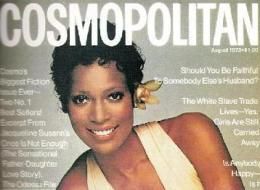
Naomi Sims, 'First Black Supermodel,' Dies at 61
Monday, August 3, 2009
Buy & Sell Women's Fashion, Beauty, and Health Products @ ForeverAlluring.com
- NY Times
Buy & Sell Women's Fashion, Beauty, and Health Products @ ForeverAlluring.com
The New York Times reports that model Naomi Sims died on Saturday at age 61. The cause of death was cancer.
Sims was considered the "first black supermodel" for appearing on the cover of Ladies Home Journal in November 1968, a time when African-American models were few and far between. She subsequently modeled for designers like Halston, Fernando Sánchez, Teal Traina, and Giorgio di Sant'Angelo. She also appeared on many other magazine covers, and two images-- a 1969 cover of LIFE and a 1967 New York Times fashion magazine over--are on display in the Metropolitan Museum's "The Model As Muse" exhibit.
After five years, Sims retired from modeling and started a multimillion-dollar wig-making business that specialized in designs for black women. Sims also penned at least five books on beauty and modeling.
- NY Times
Buy & Sell Women's Fashion, Beauty, and Health Products @ ForeverAlluring.com
Is Conditioner Bad for Your Hair?
Buy & Sell Women's Fashion, Beauty, and Health Products @ ForeverAlluring.com

It's one of those routines like putting on your socks and then your shoes for most women: first you shampoo, then you condition. But according to New York hairstylist River Lloyd, the second step shouldn't necessarily be a done deal. "If your hair is terribly damaged you need a conditioner, and maybe if someone has superthick, coarse hair," he says. But if you have a finer texture? Well, then conditioner may just be weighing you down. Instead, Lloyd likes detangler
"Detanglers don't coat the hair," he explains. "They just change the pH slightly so you can get a comb through it." They're worth a try for anyone who ever feels greasy or twizzly after the usual shampoo/conditioning routine...although we know some women who will only give up their conditioner when the bottle is pried out of their cold, stiff fingers (are you one of those?).
-Allure
Buy & Sell Women's Fashion, Beauty, and Health Products @ ForeverAlluring.com
It's one of those routines like putting on your socks and then your shoes for most women: first you shampoo, then you condition. But according to New York hairstylist River Lloyd, the second step shouldn't necessarily be a done deal. "If your hair is terribly damaged you need a conditioner, and maybe if someone has superthick, coarse hair," he says. But if you have a finer texture? Well, then conditioner may just be weighing you down. Instead, Lloyd likes detangler
"Detanglers don't coat the hair," he explains. "They just change the pH slightly so you can get a comb through it." They're worth a try for anyone who ever feels greasy or twizzly after the usual shampoo/conditioning routine...although we know some women who will only give up their conditioner when the bottle is pried out of their cold, stiff fingers (are you one of those?).
-Allure
Buy & Sell Women's Fashion, Beauty, and Health Products @ ForeverAlluring.com
5 Ways Vitamin D Could Say Your Precious Life
Buy & Sell Women's Fashion, Beauty, and Health Products @ ForeverAlluring.com
Vitamin D is known as the sunshine vitamin, and it has a lot of sunny benefits, but most Americans aren't getting them because they aren't getting enough of it.

By RAQUEL HECKER
Buy & Sell Women's Fashion, Beauty, and Health Products @ ForeverAlluring.com
Vitamin D is known as the sunshine vitamin, and it has a lot of sunny benefits, but most Americans aren't getting them because they aren't getting enough of it.
Between 50 percent and 75 percent of Americans get suboptimal levels of vitamin D, according to a study published in the Archives of Internal Medicine.
Now a committee at the Institute of Medicine is meeting to determine whether the recommended daily intake of vitamin D should be increased. ABC medical contributor Dr. Marie Savard came on "Good Morning America" today to offer five ways vitamin D can aid your health and tell you how to get more of it.
Why People Are Vitamin D Deficient
Nature gave us only one good source of vitamin D, and that is the sun. We are meant to absorb vitamin D from the sun through our skin.
When we lived closer to the equator and worked outdoors, we were OK. But that is not the case today. And food is not a good source of vitamin D, not even fortified food.
Five Ways Vitamin D Can Save Your Life
 Promotes Weight Loss
You need vitamin D to effectively lose weight. Your insulin works better, and vitamin D helps you lose belly fat. Diabetes is also related to low vitamin D levels.
Reduces Risk of Death
Your overall mortality is reduced.
Fewer Bone Fractures
Without vitamin D, calcium can't be absorbed. But if you get enough vitamin D, it can help you avoid osteoporosis, bone fractures and falling, which is a cause of morbidity among the elderly.
Reduces Risk of Heart Disease
Vitamin D improves blood flow by relaxing the blood vessels and lowering blood pressure.
Helps Fight Cancer
Vitamin D improves the functioning of your immune system, and that helps fight cancer.
Five Ways to Get Vitamin D
15 Minutes of Sun 3 Times Per Week
You can get 10-15 minutes of high-noon sun exposure in warmer climates a few times a week. In the South you can do this all year long; but in the North it will work only in the summer months. But this is unrealistic for those who already wear sunscreen all day, or have been warned to stay out of the sun by their doctors.
Fatty Fish and Cod Liver Oil
If you are one of those people who have been warned to stay out of the sun, another good natural source of vitamin D is fatty fish.
In food, vitamin D is naturally found in fatty fish like salmon and in cod liver oil.
Fortified Dairy Products
You also can get vitamin D in fortified dairy products. But you need to be careful. There are only 100 units of vitamin D per cup, so kids and most adults would need at least four cups of dairy products per day.
You could drink four glasses of milk a day, but most people choose not to.
Multivitamin Supplements
Most multivitamins have a substantial amount of vitamin D.
Vitamin D Supplements
I recommend 1000 to 2000 international units of vitamin D supplements every day. It's cheap, there are no side effects or down sides. Although D3 is considered more potent and longer lasting, both D2 and D3 are acceptable.
By RAQUEL HECKER
Buy & Sell Women's Fashion, Beauty, and Health Products @ ForeverAlluring.com
All About Mineral Makeup
Buy & Sell Women's Fashion, Beauty, and Health Products @ ForeverAlluring.com
- Colette Bouchez
Buy & Sell Women's Fashion, Beauty, and Health Products @ ForeverAlluring.com
As beauty legend has it, it was the mid-1970s, in the aftermath of the frenzied Haight-Ashbury love-ins of San Francisco, that a quiet, little cosmetic revolution was born.
It was called "mineral makeup" – products made of all natural, finely ground minerals from the earth, without any of the chemicals, dyes, and preservatives found in traditional makeup. Fast-forward some 30 years: Mineral makeup is virtually exploding the beauty market.
"This is an extremely popular style of makeup – and it's something that a lot of my patients use and love, and I use it myself. It's also the product most patients ask about," says Kathryn Frew, MD, a dermatologist at Juva Skin and Laser Center and MediSpa in New York City.
And while mineral makeup comes in a variety of forms – and at prices ranging from less than $10 to more than $50 per product -- undoubtedly the most popular in all price ranges are the loose powder foundations and blushes. These are light, finely ground loose minerals that are buffed into the skin using a wide, fluffy brush.
But does "natural," "mineral," and "from the earth" really equal better? WebMD discovered the answer has a lot of qualifying factors -- and some vastly differing opinions.
Mineral Makeup and Skin Health
Like most cosmetic products, mineral makeup has its fans and its critics. Those who love it rave about the light, natural, long-lasting glow that simply can't be duplicated by other types of makeup. Others, however, complain it's drying, irritating, and accentuates wrinkles and adds years to your appearance. Some say the colors have an ashy undertone that is a particular problem for ethnic skin types.
But looks aside, many consumers also say they are initially drawn to try mineral makeup because of skin health claims – more specifically, that it's pure formulations are safer and better for sensitive, even acne- or rosacea-prone skin.
But is it?
"Quite frankly, I think mineral makeup is just a genius marketing plan -- a new way of selling women the same ingredients that technically have been in makeup for years," says dermatologic and pharmaceutical chemist Ben Kaminsky.
The main ingredients (minerals such as mica, zinc oxide, and titanium dioxide), says Kaminsky, have been the basis of most makeup foundations for decades. And he says mineral makeup has no special health or beauty properties.
"Mineral makeup can cause problems the same as any other preparations can cause problems. It's not purer; there's no scientific proof of that," he says.
But other experts see it a bit differently. Many dermatologists report that because mineral makeup frequently eliminates classic "irritants" – like fragrances, binders, synthetic dyes, and preservatives -- it is considered "purer" and can be kinder to the skin.
"Makeup sensitivity is often the result of synthetic dyes, fragrances, and preservatives, so any makeup that eliminates these is going to eliminate some of the related problems," says Frew.
Moreover, she adds that because titanium dioxide [and zinc oxide] have anti-inflammatory properties, certain mineral makeups can also have a calming effect on the skin, particularly important if you suffer from inflammatory problems such as rosacea or acne.
Dermatologist Francesca Fusco, MD, agrees. "It's non-comedongenic, so it won't clog pores, and it's not going to aggravate an acne condition or cause a flare-up as easily as some traditional makeups can," says Fusco, an assistant clinical professor of dermatology at Mt. Sinai Medical Center in New York City.
But what about the claims made by some companies that mineral makeup is so pure "you can sleep in it"? Experts draw the line here.
"I would never tell a patient to sleep in any kind of makeup. It's not a good idea for the skin to be covered at night, no matter how pure a makeup might be," says Fusco.
Mineral Makeup and Sun Protection
Another big draw to mineral makeup are the claims of sun protection. With an average SPF rating of 15, at least one company, Bare Minerals, has the Skin Cancer Foundation seal of approval as a sunscreen. Jane Iredale, AfterGlow, and other mineral makeups claim similar protective effects, due mostly to the high content of titanium dioxide and zinc oxide -- two ingredients commonly found in traditional sunscreen.
But does mineral makeup give you all the sun protection you need? Experts say no.
"It's better than using nothing, but I always tell my patients to use a regular cream sunscreen under their makeup and then use the mineral foundations as an extra boost," says Frew.
Mineral Makeup: Not All Alike
Extra ingredients aside, it may seem as if all mineral makeup should be pretty much the same. But WebMD discovered that's far from the truth.
Since there is no set regulation for what constitutes a "mineral” makeup, any product containing minerals as a primary ingredient can be marketed as such -- even if it contains a whole lot of other "less natural" ingredients.
Kristen Adams, president of AfterGlow Cosmetics, says the battle lines between brands are drawn this way: "Mineral makeup formulas generally fall into two large camps - those that take care not to use synthetics (like paraben preservatives and other fillers) and stay true to the original intent of pure mineral makeup, and those that do add the fillers, colors, binders, preservatives, and other chemicals to their formulas," says Adams.
Although you can weed out at least some of these brands by reading the ingredient label, Adams cautions not to let the term "all natural" or "all mineral formula" fool you.
That's because within the brands that claim "pure mineral" formulations, there is still another category breakdown -- those that contain an arguably "natural" mineral known as bismuth oxycholoride, and those that do not.
A pearlizing agent that gives mineral makeup that "candlelight glow," bismuth oxychloride is a mineral, but it's not found in the earth. Bismuth is a byproduct of lead and copper processing. Bismuth oxychloride is also frequently used to fill or "bulk up" or bind products, says Adams, and some say it comes with a heavy price.
"Bismuth oxychloride is considered a skin irritant and can cause itching and rashes and in large amounts it can cause cystic acne as well – it's one of the ingredients you should try to avoid if you have acne or rosacea or sensitive skin," says Frew, who also reminds us that some products in a line have this ingredient, while others do not. "Some products also contain very little, so it doesn't act like an irritant, but you won't know until you try it."
Mineral Makeup: Buyer Beware
One of the factors that makes mineral makeup so popular is the smooth, natural, long-lasting coverage -- a feat that's some companies accomplish by pulverizing or "micronizing" their minerals into microscopic or even nanoparticle size.
But some researchers say this activity may come with a price.
"Research shows that when some molecules are dramatically reduced in size to the level of a nanoparticle, they can have very different and very toxic properties than that same molecule would have in its conventional size," says Jane Houlihan, research director of consumer watchdog agency The Environmental Working Group in Washington.
"Minerals like zinc and titanium are safe when applied to healthy skin but in a micronized nanoparticle form, there remains a concern, particularly when applied to damaged skin, or when inhaled," says Houlihan.
The bottom line: Even when beauty comes from the earth, it's still a case of beauty buyer beware.
- Colette Bouchez
Buy & Sell Women's Fashion, Beauty, and Health Products @ ForeverAlluring.com
35 Most Powerful Foods On Earth
Sunday, August 2, 2009
Buy & Sell Women's Fashion, Beauty, and Health Products @ ForeverAlluring.com
Buy & Sell Women's Fashion, Beauty, and Health Products @ ForeverAlluring.com
Power foods are items you should include in your diet that give you
- The richest amount of nutrients,
- The least amount of calories,
- And the most health benefits
- To decrease your risk of heart disease
Vegetables
| 1 | Asparagus | B6, folate, fiber |
| 2 | Bell peppers | B1, B2, B6, folate, C, fiber |
| 3 | Bok choy | B6, C, K, Calcium, fiber |
| 4 | Broccoli | B6, C, E, K, folate, fiber |
| 5 | Carrots | A, C, Fiber, carotenoids* |
| 6 | Garlic, onions, leeks, shallots | Phytochemicals*, fiber |
| 7 | Spinach, watercress, Swiss chard, romaine, kale, Beets and mustard greens | A, B2, B6, C, E, folate, calcium, copper, magnesium, potassium, zinc, fiber |
| 8 | Potato (with skin) | B6, C, potassium, magnesium, fiber |
| 9 | Sweet potato | A, C, E, copper, fiber |
| 10 | Tomato | A, C, E, potassium, fiber |
| 11 | Acorn or butternut squash | A, B1, B6, C, folate, calcium, copper, magnesium, potassium, fiber |
Protein Foods
| 12 | Tuna: canned in water or fresh | B12, D, Protein, niacin, selenium, omega-3 fatty acids* |
| 13 | Salmon: fresh or canned pink | B6, B12, D, Phosphorus, potassium, selenium |
| 14 | Natural peanut butter | E, protein, fiber, niacin, magnesium, phosphorus |
Fruits
| 15 | Apples | C, fiber, flavonoids* |
| 16 | Apricots | A, C, E, K, fiber |
| 17 | Bananas | B6, C, magnesium, potassium, fiber |
| 18 | Berries | C, folate, manganese, potassium, fiber |
| 19 | Cantaloupe | A, B6, C, folate, potassium, fiber |
| 20 | Citrus | A, B6, C, folate, potassium, fiber |
| 21 | Kiwi | C, E, magnesium, potassium, fiber |
| 22 | Papaya | A, C, E, folate, calcium, magnesium, potassium |
| 23 | Peaches | C, E, K, fiber, potassium |
Soy Foods
| 24 | Soy milk and cheese | B1, B12, D, protein, niacin, folate, calcium, copper, iron, magnesium, manganese, potassium, zinc |
| 25 | Soy nuts | Folate, magnesium, manganese, protein, phytoestrogens* |
| 26 | Tofu and tempeh | B1, protein, niacin, folate, calcium, copper, iron, magnesium, manganese, potassium, zinc |
Grains
| 26 | Barley | A, B2, Protein, fiber, niacin, copper, iron, magnesium, manganese, selenium, zinc |
| 27 | Brown rice | B1, B6, fiber, niacin, magnesium, manganese, selenium, zinc |
| 28 | Bulgur | Fiber, niacin, manganese, selenium, magnesium |
| 29 | Flaxseed | Fiber, iron, omega-3 fatty acids |
| 30 | Oatmeal | Soluble fiber, magnesium, manganese, potassium, zinc |
| 31 | Wheat germ | B1, E, niacin, folate, magnesium, manganese, potassium, zinc |
Legumes
| 32 | Black beans | B1, Protein, folate, copper, iron, magnesium, manganese, potassium, zinc |
| 33 | Black-eyed peas | B1, B6, niacin, folate, copper, iron, magnesium, manganese, potassium, zinc |
| 34 | Kidney Beans | B1, niacin, folate, iron, magnesium, manganese, potassium, zinc, omega-3 fatty acids |
| 35 | Lentils | B1, B6, protein, fiber, niacin, folate, iron, magnesium, manganese, potassium, zinc |
Buy & Sell Women's Fashion, Beauty, and Health Products @ ForeverAlluring.com
8 Power Foods And What They Do To You
Buy & Sell Women's Fashion, Beauty, and Health Products @ ForeverAlluring.com
Here's some food for thought: You can eat your way to better health. Sure, if you fill your plate with fruit, veggies, whole grains and lean protein, you'll slim down. But certain menu options pack more nutritional punch than others and some have downright super powers when it comes to staving off cancer and other diseases. Help yourself to a few of my favorite health-boosting bites and learn why choosing these can help you live a longer, stronger, happier life.
POWER FOOD: Cherries
Way more than just pie filler, cherries are the piece de resistance of the fruit world. They have more flavonoids, aka powerful antioxidants, than almost any other food analyzed by the USDA. Cherries, both sweet and tart, are particularly rich in anthocyanins, micronutrients that may jump-start the immune system and mop up disease-causing free radicals. What this means: They may have the ability to ward off cancer. Other research suggests they may also reduce inflammation associated with arthritis and gout.
- Self
Buy & Sell Women's Fashion, Beauty, and Health Products @ ForeverAlluring.com

Here's some food for thought: You can eat your way to better health. Sure, if you fill your plate with fruit, veggies, whole grains and lean protein, you'll slim down. But certain menu options pack more nutritional punch than others and some have downright super powers when it comes to staving off cancer and other diseases. Help yourself to a few of my favorite health-boosting bites and learn why choosing these can help you live a longer, stronger, happier life.
POWER FOOD: Cherries
Way more than just pie filler, cherries are the piece de resistance of the fruit world. They have more flavonoids, aka powerful antioxidants, than almost any other food analyzed by the USDA. Cherries, both sweet and tart, are particularly rich in anthocyanins, micronutrients that may jump-start the immune system and mop up disease-causing free radicals. What this means: They may have the ability to ward off cancer. Other research suggests they may also reduce inflammation associated with arthritis and gout.
TRY THEM: Fresh cherries are ripe now (the season runs from May through August), but frozen and dried versions are equally nutritious. Toss a fresh bag into the freezer for a sweet, cool treat; add tart dried cherries to salads; or try topping pancakes with the canned, no-syrup-added kind.
POWER FOOD: Black tea
You don't always have to go green: Black tea, the type in your basic bag, may offer similar protection from heart disease and some cancers as its highly-praised cousin; people with heart disease who drank it daily for a month saw a 50 percent improvement in the functioning of impaired blood vessels, a study from Boston University reports. And another study, from Rutgers University in New Brunswick, New Jersey, found that a compound in black tea triggers colorectal cancer cells to destroy themselves.
TRY IT: Sip it hot at breakfast or cool down with an iced version at lunch. To brew your own, use boiling water and steep for three minutes to get the most antioxidants. Worth noting: Decaf varieties are lower in antioxidants, while bottled and instant teas have barely detectable levels. Instead, make it yourself and drink it fresh--time in the refrigerator depletes tea's powers.
POWER FOOD: Celery
This traditional diet staple is a great source of potassium, a nutrient that helps reduce blood pressure and regulate the balance of fluids and minerals in the body. Most Americans get less than 50 percent of the suggested 4,700 milligrams a day. People usually use bananas as their go-to potassium source, but four medium stalks of celery deliver about the same amount of potassium as a 105-calorie banana for a mere 24 calories. The crunchy crudite also contains compounds called phthalides, which moderate blood pressure, too.
TRY IT: For a quick, healthy snack, stash precut celery sticks immersed in a tub of ice water in the fridge (the cool bath keeps them at their crunchiest). Dip in hummus for an extra dose of fiber. Add celery to soups, stews and stir-fries.
POWER FOOD: Quinoa
This grainlike seed (pronounced "keen-wah") is as close as you can get to a perfect food, because it provides almost all the nutrients a body needs. Quinoa delivers significant amounts of 20 different amino acids your body uses to maintain and repair tissues, including all of the essential amino acids--protein building blocks your body can't make and has to get from food. (Only animal protein can make the same claim, and it's usually higher in calories and fat than quinoa.) It's also a great source of magnesium, which helps regulate blood pressure. A half cup gives you more than 50 percent of your daily needs, as well as some iron and potassium.
TRY IT: Boiled quinoa is a nice alternative to brown rice. (Slightly undercook it, or it will get mushy). You can also eat quinoa like oatmeal, with milk and maple syrup.
POWER FOOD: Mushrooms
They're low in calories and are a top plant source of B-complex vitamins, including riboflavin, which helps keep skin healthy and eyesight sharp. They also leave other produce in the dust when it comes to selenium, an antioxidant that may protect against some cancers. And according to a study from researchers at the University of Illinois at Urbana-Champaign, mushrooms contain betaglucan and chitin, two types of fiber that absorb fat and whisk it out of the blood, lowering your risk for heart disease. All mushrooms offer benefits, but the big winner is the meaty portobello. It's high in selenium and potassium.
TRY THEM: Pop portobellos on the grill this summer and cook them as you would a burger. You can also mix any type into salads, or saute and add to pizza.
POWER FOOD: Pomegranate juice
Presqueezed pomegranate juice offers almost all the health perks of the whole fruit without the hassle (seeds to dig out, red-stained fingers!). The beverage has more antioxidants than red wine, green tea, cranberry juice and orange juice and is loaded with polyphenols, a type of antioxidant that may protect against cancer and promote heart health. In one study in the journal Clinical Nutrition, people with carotid-artery disease, which can lead to stroke, reversed some artery damage by drinking a little less than 2 ounces daily.
TRY IT: To balance the flavor and reduce calories, mix with an equal amount of seltzer or freshly brewed tea.
POWER FOOD: Sunflower seeds
With 25 percent more vitamin E than almonds, sunflower seeds are the new go-to snack for reducing the risk for heart disease and stroke. Vitamin E may also fight inflammation, which can lead to joint pain and cartilage deterioration. Only 4 tablespoons of dried seeds provide 12 milligrams of vitamin E--that's 80 percent of your daily needs. They're also full of fiber, healthy fats, protein and iron. Make sure to choose the unsalted type--the salted version may taste great, but they're higher in sodium.
TRY THEM: Shelled seeds are great tossed into salads, baked goods such as muffins or spice cake, meat loaf or any recipe that calls for nuts. You can also crush them, add some olive oil and use them as a coating for baked chicken or fish fillets.
POWER FOOD: Whole-grain cereal
No need to think outside the box: Many brands of breakfast cereal are loaded with filling fiber, which will help you head off a midmorning trip to the vending machine. Some even boast health claims: Shredded wheat, for example, is made from whole grains, which may lower cholesterol and reduce your heart disease risk. With about 250 calories (including lowfat milk) and only a few grams of fat, a bowlful also gives you an energy lift from the mix of good carbs and lean protein (when you add the milk). Note: Only whole-grain cereals offer these benefits.
- Self
Buy & Sell Women's Fashion, Beauty, and Health Products @ ForeverAlluring.com
Day-Glo Nail Polish
Buy & Sell Women's Fashion, Beauty, and Health Products @ ForeverAlluring.com

Essie Nail Polish in Bright Tights, $8 (available in September)
"Nail polish this bright gets a lot of attention--the entire time I had painted tips, I couldn't get through a conversation without someone saying, "Whoa, your nails!" Still, I loved having pumpkin-y claws! The neon color lifted my spirits every time I caught a glance and surprisingly, the shade went with almost everything I wore. (Well, when it clashed, it clashed in a good way.) I felt hip, happy and confident--who knew you could get so much from a bottle of Essie nail polish? This hue isn't for the faint of heart, but if you're into juicy citrus colors, definitely try a splash of orange on your nails!"
Buy & Sell Women's Fashion, Beauty, and Health Products @ ForeverAlluring.com
Essie Nail Polish in Bright Tights, $8 (available in September)
"Nail polish this bright gets a lot of attention--the entire time I had painted tips, I couldn't get through a conversation without someone saying, "Whoa, your nails!" Still, I loved having pumpkin-y claws! The neon color lifted my spirits every time I caught a glance and surprisingly, the shade went with almost everything I wore. (Well, when it clashed, it clashed in a good way.) I felt hip, happy and confident--who knew you could get so much from a bottle of Essie nail polish? This hue isn't for the faint of heart, but if you're into juicy citrus colors, definitely try a splash of orange on your nails!"
Buy & Sell Women's Fashion, Beauty, and Health Products @ ForeverAlluring.com
Why Your Pants Don't Fit
Buy & Sell Women's Fashion, Beauty & Health Products @ ForeverAlluring.com
 Ever buy a pair of pants that looked pretty good in the dressing room mirror but hang in the back of your closet because they don't fit quite right? Here's what to look for to assure a flattering fit.
Where Exactly Should My Pant Hem Hit?
My Pants Fit Everywhere but at the Waist, Where They Gape. How Can I Fix This?
I Have Wide Hips and a Belly. Which Type of Pants Will Flatter Me?
Buy & Sell Women's Fashion, Beauty & Health Products @ ForeverAlluring.com
Where Exactly Should My Pant Hem Hit?
- To create the longest possible line, pants should be an inch from the floor, with the hem breaking over the instep.
- One option is to buy two pairs of the same pants and hem one for heels and the other for flats, but you can fudge a happy medium by wearing the same pair of pants with flats and up to a two-inch kitten heel―but no higher, suggests Allison Berlin, founder of the New York fashion-consulting firm Style Made Simple.
- When switching from heels to flats, a quick fix is Zakkerz ($27), which secure rolled-up cuffs using magnets. The hem should graze the tops of your shoes.
My Pants Fit Everywhere but at the Waist, Where They Gape. How Can I Fix This?
- Because gaping usually results from having fuller hips and a slim waist, the key is to find low-rise pants that start at the hips (so you don’t have to worry about fitting both waist and hips) or that have a “contoured waistband that is slightly higher in the back than in the front,” says Lisa Converse, vice president of design for White House Black Market.
- Go to a tailor. “He should be able to make affordable adjustments,” says Gregg Andrews, a fashion director with Nordstrom.
- Another trick: Isabelt ($17 to $20), which cinches the waist the way a regular belt does but lies flat and undetectable under tops.
I Have Wide Hips and a Belly. Which Type of Pants Will Flatter Me?
- Try bootcut pants (to balance your hips) paired with a two-inch waistband (to contain your stomach), says June Ambrose, author of Effortless Style.
- Forgo low-rise pants in favor of a rise that hits an inch or two below the navel. Gap’s Curvy Fit meets these criteria, says Berlin. Another option: New York & Company’s City Knit pants, which offer generous stretch in the hips.
- Steer clear of tab closures and belts, which add bulk, and slanted (diagonal) pockets, which accentuate hips. For more advice on shopping for your body type
Buy & Sell Women's Fashion, Beauty & Health Products @ ForeverAlluring.com
The Vanishing Bikini: Your Thoughts Ladies
Shop & Buy Woman's Fashion, Beauty & Health Products @ ForeverAlluring.com
Shop & Buy Woman's Fashion, Beauty & Health Products @ ForeverAlluring.com

"Sellers in Germany bill the dissolving Get Naked costume as a chance for men to get their own back after a break-up.
But women's rights campaigner Rosmarie Zapfl stormed: "It is an absolute insult to women that this has been invented."What do you think ladies? Leave your comments below.
Shop & Buy Woman's Fashion, Beauty & Health Products @ ForeverAlluring.com
When Is Your Hair Too Long?
Saturday, August 1, 2009
Buy & Sell Women's Fashion, Beauty & Health Products @ ForeverAlluring.com
 What is with Young Hollywood’s scissor aversion? If you’re not shaving half your head, you’re growing hair long enough to hit your waist! (From the looks of it, Lauren Conrad and Lindsay Lohan are front-runners, FYI.) It’s beyond mermaid-ish at this point—as far as I’m concerned, it’s getting downright icky, and that hair can’t be healthy (especially with all the coloring, blow drying and flatironing stars subject their heads to). According to her Twitter, Lindsay claims short hair isn’t for her: “I don’t think the director wants it short ... I look ugly with short hair! Eeeeks.” I beg to differ. At the very least, chop off five or six inches. She won’t even notice the change! Lauren Conrad, also unconvinced on the short hair front told US Weekly: “I don’t feel girly without long hair! There is something so sexy about having long blonde hair ... It’s so feminine.” Now, I’m all for long hair, but when it gets so far gone that it gets caught in your armpits on a regular basis, it has to go. (Anyone else ever experience this? No?) What say you? Long and sexy? Or just long and ... long?
- Frisky
Buy & Sell Women's Fashion, Beauty & Health Products @ ForeverAlluring.com
- Frisky
Buy & Sell Women's Fashion, Beauty & Health Products @ ForeverAlluring.com
Real Help for Dark Circles and Puffiness
Find all your fashion, beauty, and health products @ ForeverAlluring.com | Beauty Store

Whether they're from a late night partying or a constant occurrence, dark circles and puffy eyes just plain suck. Luckily, we asked around to get actual useful tips to get rid of these pains in the you-know-what for good (or at least make them look like they've disappeared). Check them out below, won't it be nice not to get those comments: "Are you OK? You look so tired." Yeah, thanks for the concern
- TotalBeauty
Find all your fashion, beauty, and health products @ ForeverAlluring.com | Beauty Store
Whether they're from a late night partying or a constant occurrence, dark circles and puffy eyes just plain suck. Luckily, we asked around to get actual useful tips to get rid of these pains in the you-know-what for good (or at least make them look like they've disappeared). Check them out below, won't it be nice not to get those comments: "Are you OK? You look so tired." Yeah, thanks for the concern
Assuming you're in pretty good health and have been getting enough sleep, hydration and iron in your diet (all huge under-eye circle contributors if neglected), your dark circles or puffiness could still stem from a number of things. Finding out why you're getting them is the first step to potentially treating the problem. Keep in mind: "Some causes of darkness are treatable and some aren't," says plastic surgeon Dr. Garth Fisher.
If your dark circles stem from dark/brown pigmentation, caused by accumulation of pigment in your skin (melanocytosis), allergy-related inflammation or sun damage, first stay out of the sun. Then ask your doctor if any medications you are using (eye drops, hormones, etc.) could be making your dark circles worse. (If so, discuss changing your medication to resolve that.)
To help counteract the problem, Fisher recommends skin-bleaching ingredients like hydroquinone (which may take several months to show results and should only be used under medical supervision). Alternative, over-the-counter treatments include creams containing vitamin K, as well as retinol, which helps stimulate skin cell turnover.
GenesIf you have dark circles because of hereditary causes like superficial veins (aka thin skin which shows more veins), esthetician and Kinara Spa owner Olga Lorencin-Northrup recommends trying a non-surgical laser treatment (like Fraxel, Thermage or IPL Photofacial) to get rid of these types of dark circles, particularly when they involve genetic water retention. (Fluid retention, which also contributes to puffiness, can dilate the blood vessels under your skin and make them appear more noticeable.)
BagsIf you have under-eye bags, hollow areas or fat pads that protrude from your lower eyelids and make a shadow, you can remove or modify the fat there via surgery to fix the problem, Fisher says.
Puffiness"If the puffiness around the eyes is persistent even when you eliminate alcohol, sugar and salt, it is hereditary. Some swelling could be reduced by silica [found in cucumber and the herb horsetail, aka equisetum arvense] but it is limiting," Lorencin-Northrup says. (This goes for allergy-related puffiness, too.)
Still, you have some temporary options: Dermatologist Dr. Heidi Waldorf says products that contain caffeine can vasoconstrict, or close the blood vessels, in the area, reducing the appearance of puffiness -- and small bags. If you want to go the natural route, try placing wet, cool, caffeinated tea bags on your eyes. Also, the herb eyebright is recommended by Liz Earle of Liz Earle Skincare, for its ability to reduce puffiness. Layering that with cooling organic aloe vera and witch hazel, which is "also rich in natural tannins which have a mildly astringent effect," she says, can be more effective.
- TotalBeauty
Find all your fashion, beauty, and health products @ ForeverAlluring.com | Beauty Store
Is It OK To Spray Perfume In Public?
Find all your fashion, beauty, and health products @ ForeverAlluring.com | Beauty Store

Imagine that you're in your cubicle, getting ready for a meeting where you hope you'll encounter that cute guy from accounting, and you spritz a little fragrance on your pulse points... and the next thing you know, vast swaths of the building are being evacuated. That apparently happened to some poor woman in Ft. Worth, Texas, where 34 co-workers were hospitalized and more than 100 others treated and released.
Firefighters, who initially assumed it was a gas leak, now speculate that a few people may have had a bad reaction to her fragrance and the rest were suffering from group hysteria. But anyone who lived through the eighties and suffered Giorgio-On-the-Elevator Syndrome has to empathize. The first rule of fragrance is that someone ought to be close enough to kiss you before they can detect the scent. Agree?
- Allure
Find all your fashion, beauty, and health products @ ForeverAlluring.com | Beauty Store
Imagine that you're in your cubicle, getting ready for a meeting where you hope you'll encounter that cute guy from accounting, and you spritz a little fragrance on your pulse points... and the next thing you know, vast swaths of the building are being evacuated. That apparently happened to some poor woman in Ft. Worth, Texas, where 34 co-workers were hospitalized and more than 100 others treated and released.
Firefighters, who initially assumed it was a gas leak, now speculate that a few people may have had a bad reaction to her fragrance and the rest were suffering from group hysteria. But anyone who lived through the eighties and suffered Giorgio-On-the-Elevator Syndrome has to empathize. The first rule of fragrance is that someone ought to be close enough to kiss you before they can detect the scent. Agree?
- Allure
Find all your fashion, beauty, and health products @ ForeverAlluring.com | Beauty Store
9 Things in Your Home That Are Making You Sick
Find all your fashion, beauty, and health products @ ForeverAlluring.com | Beauty Store
 Home sweet home, right? Well, sort of. You may be unaware of the potential health dangers lurking in your abode—from critters in the kitchen to bugs in the bedroom. Here’s what you need to know—and what to do.
Your kitchen sponge
What to do: If you’ve done some traveling recently, and especially if you’ve noticed any mysterious bug bites, wash everything in your luggage and consider scrubbing your suitcase with a stiff brush before giving it a good vacuuming.
Your laptop
- Glamour
Find all your fashion, beauty, and health products @ ForeverAlluring.com | Beauty Store
Your kitchen sponge
Maybe you’ve heard about the germs on your kitchen sponge (gross news flash—there may be as many as 20 million microbes on it right now). But here’s the deal: Your method for “cleaning” that sponge may be leaving it loaded with potentially hazardous bacteria that can make you ill. Researchers at the USDA’s Agricultural Research Service found that some common cleaning methods for sponges—soaking them in a bleach solution, lemon juice or water—did not eradicate the germs.
What to do: The best ways to clean a dirty sponge, they say, are in the microwave (on high for one minute) and in the dishwasher, which will kill 99.9 percent of all germs.
Your boyfriend's wet towel
Sharing a bath towel with your man may be good for the environment, but it may be bad for your health, experts warn. MRSA, a drug-resistant form of staph—also known as the superbug—is frequently transmitted by skin-to-skin contact but also by sharing personal items like towels.
What to do: “While it may be tempting to share a towel with your guy, resist the urge,” says Susan C. Taylor, M.D., “I warn my patients that wet towels can be a breeding ground for germs, including MRSA, which can make you sick.”
After you or your man uses a towel, send it where it belongs: to the washing machine.
Your bed
Have you been on a trip recently? If so, you may have brought home some hitchhikers—of the creepy-crawly variety. Bedbugs, tiny bloodthirsty insects, are hosts to organisms that cause hepatitis B and Chagas disease, say health experts. But the real problem seems to be the infections and allergic reactions that can sometimes result from bedbug bites.
According to the Environmental Protection Agency, bedbugs are on the rise and becoming an increasing health problem. The insects, which hide in the crevices of mattresses and bedding, are showing up everywhere, from hostels to the swankiest hotels, and they often find their way into people’s luggage, transporting themselves to unsuspecting homes.What to do: If you’ve done some traveling recently, and especially if you’ve noticed any mysterious bug bites, wash everything in your luggage and consider scrubbing your suitcase with a stiff brush before giving it a good vacuuming.
Your laptop
You’re the only one who uses it, so how dirty can it be? In a word: filthy. A study by researchers at the University of North Carolina Health Care System found that keyboards were loaded with germs.
Even more disgusting, the average public toilet bowl contains 41 germs per square inch. The average personal keyboard? Some 21,000 germs per square inch. “Toilet bowls get cleaned,” says Philip M. Tierno Jr., Ph.D., director of clinical microbiology and immunology at New York University Langone Medical Center, “but keyboards rarely do.”
What to do: Tierno says the best way to keep your laptop or computer’s keyboard clean is to gently wipe it down daily with disinfecting wipes.
Your shower curtain
According to research by the Center for Health, Environment & Justice, shower curtains and liners made from polyvinyl chloride (PVC) may be harmful to your health.
Their study suggests that PVC releases potentially harmful chemicals into your bathroom. While there is still some debate among health experts about how much of these chemicals could be deemed harmful, many believe that limiting your exposure to chemicals, wherever possible, makes sense.
What to do: Check your shower curtain’s label to see if it’s made of vinyl or PVC. While not all manufacturers disclose this information, some retailers, like Ikea, have banned PVC shower curtains altogether, and Target has promised to phase out the material in its shower-curtain products in the months ahead.
Your laundry
Nobody thinks of the washing machine as a germ magnet—that’s where clothes get clean, right? Not if you’re using a public machine, and especially if that machine uses water that’s not hot enough, says Tierno.
Here’s why: Lower temperatures can encourage the spread of germs. Researchers at the University of Arizona found that intestinal viruses such as hepatitis A can be easily transferred from underwear to other garments during the washing process. Even worse, some germs can lurk in public washing machines and find their way to your clothes.
What to do: Wash your underwear and towels separately, using bleach if possible, and wash all towels in water that’s at least 155 degrees, which will kill most germs. Not sure if your apartment’s water temperature is hot enough? Talk to the building manager.
Your humidifier
Watch out for the humidifier, say germ experts. “If it’s not cleaned properly, a humidifier can become a repository for legionella and other pathogens that cause respiratory infections,” says Tierno.
What to do: If you like sleeping with a humidifier in your room, be sure to clean it often—at least a few times a week—by mixing a solution of one-part bleach to 19 parts water (for most humidifiers, this would equal about a half or full cup of bleach) and letting it sit for a few minutes before rinsing well.
Your doorknob
Think of the people who have touched your front doorknob in the past 48 hours: the UPS man, a neighbor, a solicitor, your friends—it’s easy to lose count. Now think of all the places they’ve been—the subway, public restrooms, grocery stores. Those germs are all on your doorknob right now, says Tierno.
Most people let their guard down when it comes to their own door handles, he says, but we shouldn’t: “Viruses can survive for days on doorknobs, and you can easily get cross contamination from them,” he says.
What to do: Make a habit of wiping down your doorknob frequently with sanitizing wipes or sprays. Have a copper doorknob? You may be in luck. Researchers in England found that copper door handles had 95 percent fewer microorganisms on them compared with other doorknobs. Scientists believe that many germs, including MRSA, may not be able to survive on copper.
Your salt and pepper shakers
When’s the last time you cleaned your salt and pepper shakers? Exactly. These unassuming little items get touched in all parts of the meal-prep process. Example: You give your sauce a dash of salt after touching raw chicken (oops) and then later set the shaker on the table.
What to do: Nobody thinks of cleaning their salt and pepper shakers, says Elizabeth Scott, Ph.D., assistant professor and co-director Simmons Center for Hygiene and Health in Home and Community at Simmons College, but to avoid cross-contamination and food poisoning, you should. “Best to wipe them with an EPA-registered disinfectant,” she says. “But better still, always wash your hands after handling raw foods and before touching anything else.”
- Glamour
Find all your fashion, beauty, and health products @ ForeverAlluring.com | Beauty Store
Organic Food Not Good For You?
Find all your fashion, beauty, and health products @ ForeverAlluring.com | Beauty Store

Is organic food more nutritious than food produced via conventional methods? As a nutrition editor, it’s my job to stay up on the studies that look at this very question. On July 29 researchers from the London School of Hygiene & Tropical Medicine reported that there was no nutritional difference between organic and conventionally produced foods. End of story? I don’t think so. Some studies show organics are more nutritious.
- Nicci Micco
Find all your fashion, beauty, and health products @ ForeverAlluring.com | Beauty Store
Is organic food more nutritious than food produced via conventional methods? As a nutrition editor, it’s my job to stay up on the studies that look at this very question. On July 29 researchers from the London School of Hygiene & Tropical Medicine reported that there was no nutritional difference between organic and conventionally produced foods. End of story? I don’t think so. Some studies show organics are more nutritious.
Consider these findings:
- A 2008 review by the Organic Center of almost 100 studies on the nutritional quality of organic produce compared the effects conventional and organic farming methods have on specific nutrients. The report’s conclusion: “Yes, organic plant-based foods are, on average, more nutritious.”
- In 2007 a study out of Newcastle University in the United Kingdom reported that organic produce boasted up to 40 percent higher levels of some nutrients (including vitamin C, zinc and iron) than its conventional counterparts.
- Additionally, a 2003 study in the Journal of Agricultural and Food Chemistry found that organically grown berries and corn contained 58 percent more polyphenols—antioxidants that help prevent cardiovascular disease—and up to 52 percent higher levels of vitamin C than those conventionally grown.
The jury is still out on whether organic food does or doesn’t contain more nutrients than conventionally produced foods. That said, there’s at least one more good argument for eating organic—fewer pesticides. While I’ve never been a purist about eating only organic, now that I’m a mom, there are some foods I feel more comfortable about buying organic. Apples are one of these foods. So are strawberries.
Here’s why:
- Apples and strawberries are on the Environmental Working Group’s (EWG) “Dirty Dozen” list of foods that have the highest pesticide residues. EWG, a nonprofit organization, identifies the types of fruits and vegetables that are most likely to have higher trace amounts of pesticides based on the results of tens of thousands of USDA and FDA tests for pesticides.
- Long-term exposure to pesticides has been associated with cancer, infertility and neurologic conditions, such as Parkinson’s. (So buying organic can help protect farm workers who are repeatedly exposed to pesticides.)
- Small doses of pesticides are far more dangerous to children (whose bodies are smaller and nervous systems are still developing) than to adults.
- You can remove some pesticide residues with washing but pesticides can be absorbed into fruits and vegetables, and leave trace residues. Many of the pesticides stay in the peel, so discarding the skin can reduce residues significantly—by up to 98 percent, according to a 2008 Journal of Agricultural and Food Chemistry study. But ditch the peel and you lose out on a lot of fiber and many of the antioxidants.
Bottom line: I think that the most important thing you can do for your health is to eat lots fruits and vegetables—whether they’re organic or not, they’re full of helpful nutrients. I do think that if you’re shopping for a young child (like I am) buying some types of food organic makes good sense—from a pesticide perspective. And certainly buying organic is healthier for the environment because it mandates more sustainable farming practices and helps to reduce the amount of chemicals that leach into our soil and water.
- Nicci Micco
Find all your fashion, beauty, and health products @ ForeverAlluring.com | Beauty Store
Subscribe to:
Posts (Atom)
